
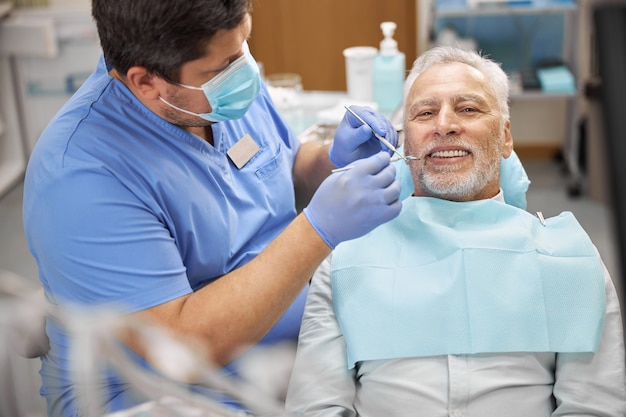
A bright smile can improve confidence and enhance your overall appearance. Teeth whitening is one of the most common cosmetic dental treatments because it helps remove stains and restore a cleaner, brighter look. However, one of the most common questions patients ask is, “How long does teeth whitening last?”
At Fast New Smile, patients receive personalized dental care designed to support both oral health and smile aesthetics. While the practice is widely recognized for Dental Implants, it also provides comprehensive cosmetic dentistry solutions, including professional Teeth Whitening, to help patients achieve healthy, natural-looking smiles. Understanding how whitening works and what affects its longevity can help you enjoy your results for as long as possible.
About Fast New Smile
Replacing missing teeth is an important step towards restoring both your smile and your oral health. Dental implants are widely recognised as one of the most reliable and long-lasting tooth replacement solutions available today. However, one of the most common questions patients ask is, “How long do dental implants last?”
At Fast New Smile, patients receive personalised dental implant treatment designed to restore function, comfort, and confidence. Whether replacing a single tooth or restoring a full arch with Full Mouth Dental Implants, understanding the lifespan of dental implants and the factors that influence their longevity can help patients protect their investment for years to come.
Understanding Teeth Whitening
Dental implants are artificial tooth roots made from biocompatible titanium that are surgically placed into the jawbone. Once healed, they support a custom-made dental crown, bridge, or full-arch restoration.
Unlike removable dentures, dental implants become securely integrated with the jawbone, providing stability and helping preserve bone structure.
How Long Does Teeth Whitening Last?
The results of professional Teeth Whitening generally last between six months and three years. However, there is no single answer because every person’s oral habits, diet, and lifestyle are different.
Several factors determine how long whitening results remain visible, including:
Type of Whitening Treatment
Professional in-office whitening typically provides longer-lasting results than store-bought whitening strips or toothpaste. Dentists use stronger whitening agents and controlled application methods that produce deeper stain removal.
Daily Eating and Drinking Habits
Dark-colored beverages and foods can gradually stain your teeth again. Common staining items include:
- Coffee
- Tea
- Red wine
- Cola
- Berries
- Tomato-based sauces
Limiting these foods or rinsing your mouth afterward can help maintain your whitening results.
Smoking and Tobacco Use
Smoking is one of the biggest reasons whitening fades quickly. Nicotine and tar leave yellow or brown stains that penetrate tooth enamel over time.
Patients who smoke generally notice discoloration much sooner than non-smokers.
Oral Hygiene Routine
Good oral hygiene plays an important role in preserving your whitening results. Brushing twice daily, flossing regularly, and attending professional dental cleanings help reduce new stain buildup.
What Causes Teeth to Become Stained Again?
Even after professional whitening, teeth naturally collect stains over time. This process is completely normal.
Surface Stains
These develop on the outer layer of enamel and usually result from food, beverages, or tobacco.
Internal Stains
Some discoloration develops inside the tooth due to aging, medications, trauma, or certain medical conditions. These stains may require additional cosmetic treatments beyond whitening.
Natural Aging
As people age, enamel gradually becomes thinner. This allows the naturally darker dentin underneath to become more visible, making teeth appear less white over time.
Professional Teeth Whitening vs At-Home Products
Many whitening products are available without a prescription, but their results often differ from professional treatment.
Professional Teeth Whitening
Professional whitening performed by a dentist offers:
- Faster results
- Customized treatment
- Better stain removal
- Reduced risk of gum irritation
- Longer-lasting whitening
Over-the-Counter Whitening Products
Store-bought products can improve mild staining but often require repeated use over several weeks. Since they contain lower concentrations of whitening agents, results may not last as long.
How to Make Teeth Whitening Last Longer
Maintaining your results requires consistent oral care and healthy habits.
Brush and Floss Daily
Brushing twice each day removes plaque before it develops into stain-causing buildup. Flossing also helps remove debris from between teeth that brushing cannot reach.
Visit Your Dentist Regularly
Routine professional cleanings remove surface stains that daily brushing cannot eliminate.
Many patients schedule touch-up whitening treatments during regular dental visits to maintain consistent brightness.
Drink Water After Meals
Water helps rinse away pigments before they settle onto the enamel.
This simple habit is especially helpful after consuming coffee, tea, or wine.
Use a Straw When Possible
Drinking dark beverages through a straw reduces direct contact between staining liquids and your front teeth.
Avoid Tobacco Products
Eliminating smoking and tobacco use not only protects whitening results but also improves overall oral health.
Can Everyone Get Teeth Whitening?
Not every patient is an ideal candidate for whitening treatment.
Professional whitening works best on natural teeth with yellow discoloration. Some patients may require other cosmetic treatments depending on the cause of discoloration.
Your dentist will examine your teeth to determine whether whitening is appropriate.
Whitening May Not Work Well On
- Dental crowns
- Veneers
- Composite fillings
- Severe internal staining
- Certain medication-related discoloration
A professional evaluation helps determine the most suitable cosmetic treatment.
Does Teeth Whitening Damage Teeth?
When performed under professional supervision, Teeth Whitening is considered safe.
The whitening agents temporarily open microscopic pores within the enamel to remove stains. These pores naturally close after treatment.
Some patients experience temporary tooth sensitivity, but this usually resolves within a few days.
Following your dentist’s instructions helps minimize sensitivity while maximizing results.
What Foods Should You Avoid After Whitening?
The first 24 to 48 hours after whitening are especially important because teeth are temporarily more susceptible to absorbing stains.
It is generally recommended to avoid:
- Coffee
- Black tea
- Red wine
- Dark sodas
- Soy sauce
- Curry
- Chocolate
- Colored sports drinks
- Berries
Choosing lighter-colored foods during this period helps preserve your newly whitened smile.
How Often Can Teeth Whitening Be Done?
The ideal schedule depends on your individual needs.
Many patients only require touch-up treatments once every year or two, while others may benefit from more frequent maintenance if they consume stain-causing foods or beverages regularly.
Your dentist can recommend an appropriate whitening schedule based on your oral health and lifestyle.
Is Teeth Whitening the Same as Dental Implants?
No. These treatments serve entirely different purposes.
Dental Implants replace missing teeth by placing a titanium post into the jawbone, followed by a custom dental crown. They restore both appearance and function after tooth loss.
Teeth Whitening, on the other hand, improves the color of existing natural teeth without changing their structure.
Some patients choose whitening before receiving Dental Implants so the final restoration can be matched to their newly brightened natural teeth.
Tips for Keeping Your Smile Bright
Long-lasting whitening results depend on daily habits more than the whitening procedure itself. Consistent oral hygiene, healthy food choices, regular dental visits, and avoiding tobacco all contribute to maintaining a brighter smile.
Professional whitening provides an excellent starting point, but maintaining those results requires ongoing care. Small daily habits often make the biggest difference over time.
Conclusion
Dental implants are one of the longest-lasting tooth replacement solutions available. With proper oral hygiene, regular dental check-ups, and healthy lifestyle habits, many implants can remain functional for decades or even a lifetime.
Whether you need to replace a single tooth or restore your entire smile, investing in high-quality dental implant treatment and ongoing care helps ensure lasting comfort, confidence, and oral health.
At Fast New Smile, patients receive individualized dental care designed to support long-term oral health and smile confidence. Whether you are interested in cosmetic dentistry, learning more About treatment options, or exploring restorative procedures like Dental Implants, understanding how whitening works helps you make informed decisions about your smile.